Renaissance Mosaic Tiling Patterns
When it comes to design, inspiration can come from the most unexpected places. One such source is Renaissance Mosaic Tiling Patterns—a visual language that blends intricate geometry with artistic expression. These patterns, rooted in the artistry of the Renaissance era, bring a sense of elegance and complexity to any project they grace. Whether you're crafting a greeting card, designing a website, or working on a brand identity, these tiling patterns offer a unique way to infuse your work with historical charm and modern versatility.
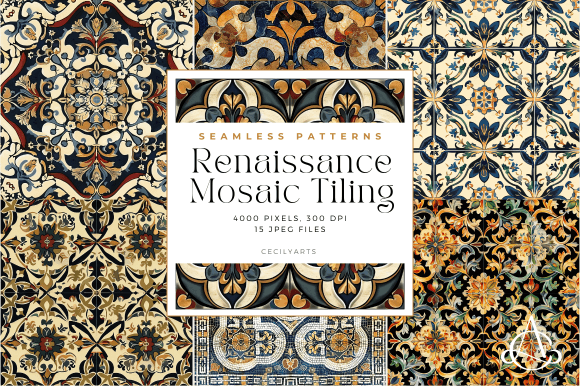
Renaissance Mosaic Tiling Patterns are characterized by their use of geometric shapes arranged in symmetrical and often repeating designs. These patterns feature a harmonious balance between order and creativity, making them ideal for projects that require both structure and aesthetic appeal. The visual characteristics include interlocking tiles, often in rich color palettes, which create a sense of movement and depth. This makes them particularly well-suited for backgrounds that need to be visually engaging without overwhelming the content.
Where Renaissance Mosaic Tiling Patterns Shine
The beauty of Renaissance Mosaic Tiling Patterns lies in their adaptability. They can be used across a wide range of creative fields—from digital media to print design. In web design, these patterns serve as excellent background elements for websites that aim to evoke a sense of sophistication and timelessness. For social media graphics, they add a layer of visual interest that can help your content stand out in a crowded feed.
In editorial design, Renaissance Mosaic Tiling Patterns can be used to frame images, separate sections of text, or even as part of a larger layout. Their structured yet artistic nature complements both traditional and contemporary layouts. When it comes to packaging design, these patterns can elevate the perceived value of a product, creating an instant connection with consumers who appreciate craftsmanship and detail.
For personal projects like scrapbooking or card-making, these tiling patterns offer a beautiful way to enhance your creations. Whether you're designing a birthday card or a heartfelt keepsake, the intricate details of these patterns can make your work feel more special and meaningful.
Enhancing Readability and Visual Hierarchy
While Renaissance Mosaic Tiling Patterns are visually striking, it's important to consider how they interact with other design elements. When used as a background, it's crucial to ensure that the pattern doesn't interfere with readability. A subtle application—such as using the pattern as a texture rather than a dominant element—can allow text to remain clear and legible.
Visual hierarchy is another key consideration. By strategically placing text over areas of the pattern that have less visual density, you can guide the viewer’s eye effectively. This approach ensures that your message remains the focal point while still benefiting from the aesthetic appeal of the pattern.
These patterns can also influence brand perception. Their timeless quality aligns well with brands that want to convey tradition, reliability, and artistic excellence. Consistency in using these patterns across different touchpoints—like logos, marketing materials, and packaging—helps reinforce brand recognition and professionalism.
Choosing the Right Pattern for Your Project
Selecting the right Renaissance Mosaic Tiling Pattern for your project involves understanding the mood and purpose of your design. If you're aiming for a bold statement, a more intricate and vibrant pattern may be the way to go. For a subtler effect, a simpler, more restrained design might be better suited to your needs.
Evaluating project fit is essential. Consider the context in which the pattern will be used and whether it aligns with the overall tone and message of your project. Testing font pairings and reviewing included styles can also help you determine how well the pattern works with other design elements.
Readability considerations should not be overlooked. Even the most beautiful pattern can become a distraction if it competes too much with the text. Ensuring that the contrast between the pattern and the text is sufficient is key to maintaining clarity and engagement.
Commercial licensing is another important factor, especially if you're working on a project that will be used in a professional or commercial setting. Make sure that the pattern you choose comes with the appropriate rights for the intended use, whether that's for print, digital media, or something else.
Real-World Applications and Design Observations
Let's take a look at some realistic examples of how Renaissance Mosaic Tiling Patterns can be applied in practice. In a branding project, a designer might use these patterns as a subtle texture in a logo or as a border in promotional materials. This adds a layer of sophistication without overpowering the design.
In a publishing project, such as a magazine or book layout, these patterns can be used to frame photographs or separate different sections of content. Their structured yet artistic nature allows them to complement both modern and traditional layouts effectively.
For a personal craft project, like a scrapbook page, using a Renaissance Mosaic Tiling Pattern as a background can transform a simple layout into something truly special. It adds depth and visual interest, making the page more engaging and memorable.
Overall, Renaissance Mosaic Tiling Patterns offer a versatile and elegant solution for a wide range of design needs. Whether you're looking to add a touch of historical charm to your next project or simply want to explore new creative possibilities, these patterns are a valuable addition to any designer's toolkit.